

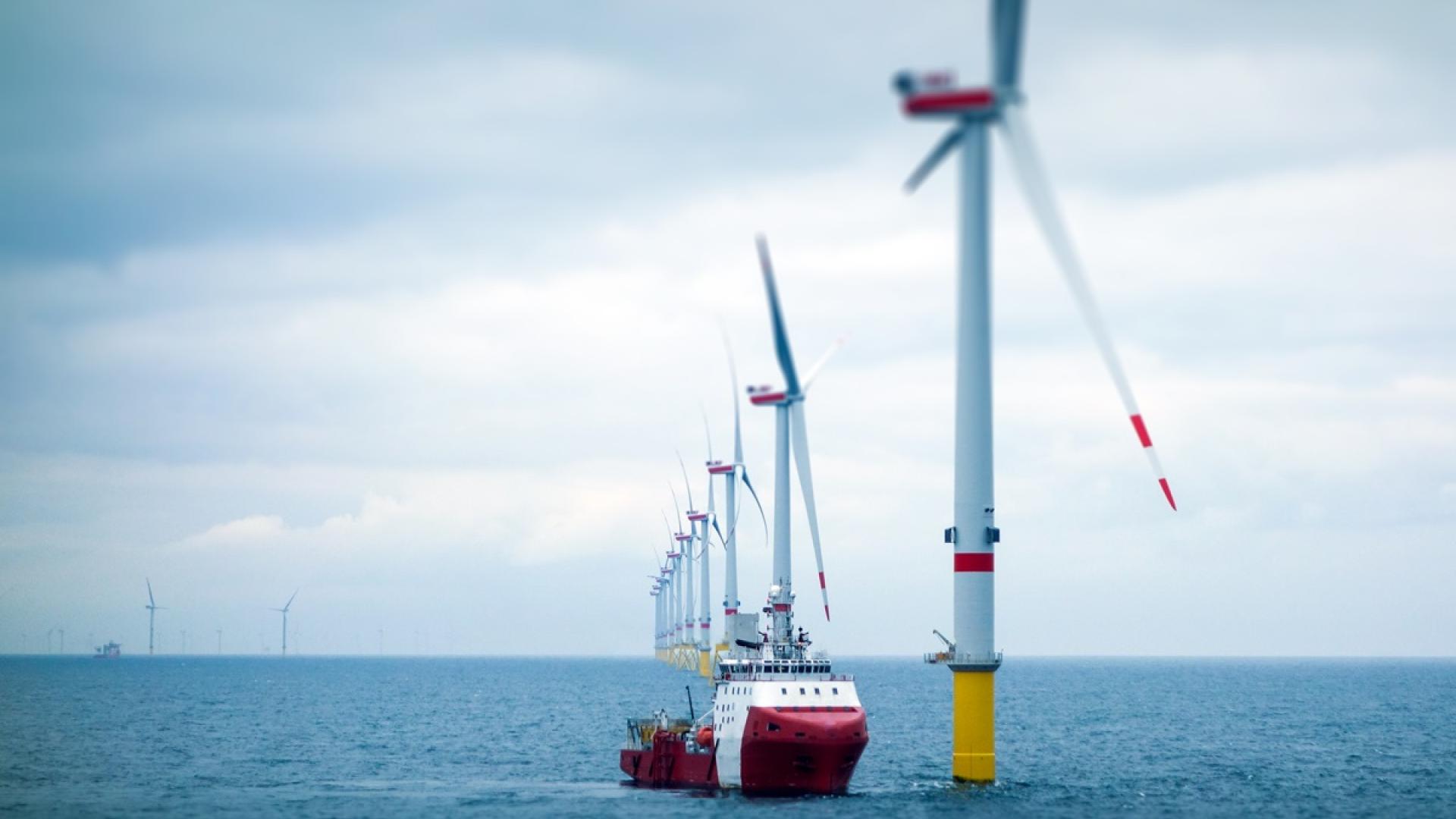
Value of Marine Artificial Structures (VALMAS)
Net Zero aspirations driving a shift towards low carbon technology, the number of MAS is set to grow exponentially, with aging structures set for decommissioning. As these structures have significant footprints at all life-cycle stages this transition will inevitably lead to environmental, social, and economic trade-offs.
There is an evident risk that our actions to address the climate crisis could exacerbate the biodiversity crisis, and also lead to a range of detrimental impacts across wider sectors. This tension is recognised, for example by Clean Power 2030: Action Plan: A new era of clean electricity , “the government is committed to accelerating to net zero, to delivering clean power by 2030, and also to restoring nature”, and The Crown Estate’s Marine Delivery Route map which aims to “incentivise best environmental practice”. To address this risk there is a need to better understand the economic, social and ecological values of MAS, how they are embedded in governance structures, and how these values change under realistic future scenarios.
Previous research has demonstrated the importance of repurposing and designing MAS to contribute to carbon removal and biodiversity targets. However, evidence gaps remain including impacts on ecological functioning and cumulative effects, and interactions with climate change, fisheries, cross-industry marine management, and social priorities.
Contact: Nicola Beaumont
Dates: August 2025 – July 2029
Funding: NERC, INSITE Industry Consortium
Our Vision:
A just, nature-positive, and economically efficient energy transition that enhances biodiversity and safeguards ecosystem services, including fisheries and carbon sequestration
Our Mission:
Empower decision-makers with the evidence-based tools to sustainably manage, operate, and decommission MAS —balancing multiple interconnected environmental, economic, and societal priorities
Our Focus:
-North Sea focus aspiring for transferability
-Priority ecosystem services; carbon, fisheries and biodiversity
-All MAS including pre, active and post decommissioning, compensatory measures and offshore wind.
- A mapping and gap analysis of the evidence, stakeholder and governance landscapes, establishing a MAS Community of Practice across public, private, academic and wider community sectors.
- A Natural Capital framework integrating changes in the economic, social and environmental values associated with different management scenarios
- State of the art predictive ecosystem modelling, quantifying changes in ecosystem function and services, with associated trade-offs across climate scenarios, sectors and scales under different management strategies.
- Targeted analysis and field studies to evidence changes in blue carbon, biodiversity, contaminants and noise around structures, and to evaluate statutory compensatory measures.
- State-of-the-art value assessments based on pluralistic and integrated valuation approaches, combining biophysical, sociocultural and monetary indicators.
- Co-developed decision support tools which highlight the benefits and risks to nature, economy and society, supporting nature positive decision-making