

Simulating the rise and fall of ocean tides
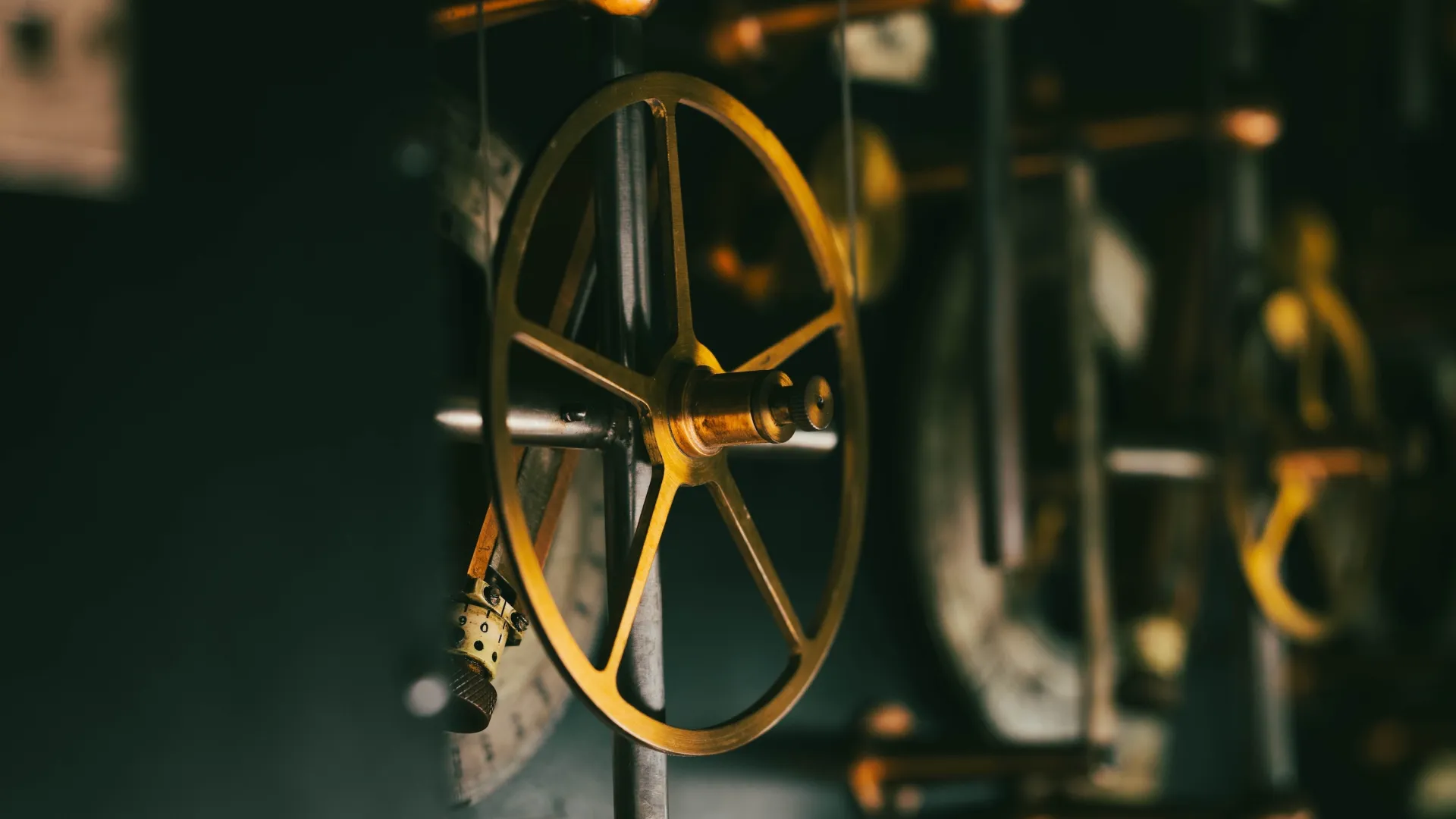
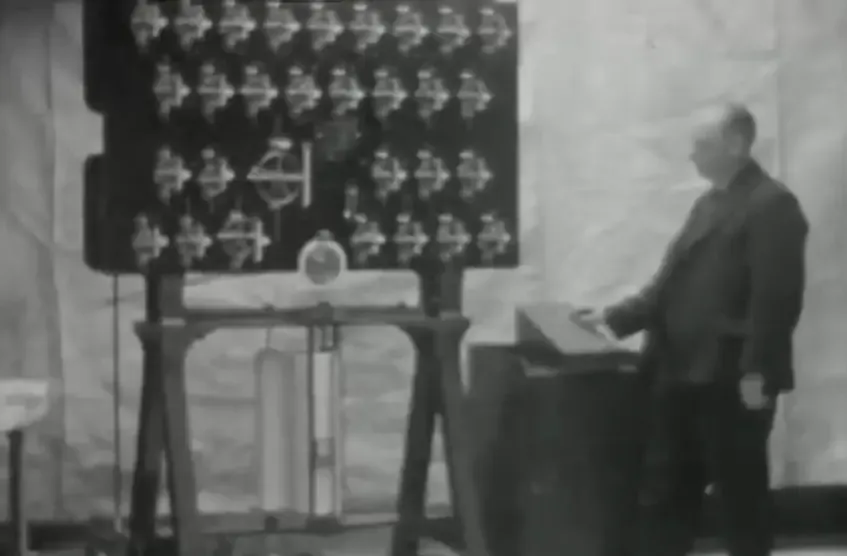
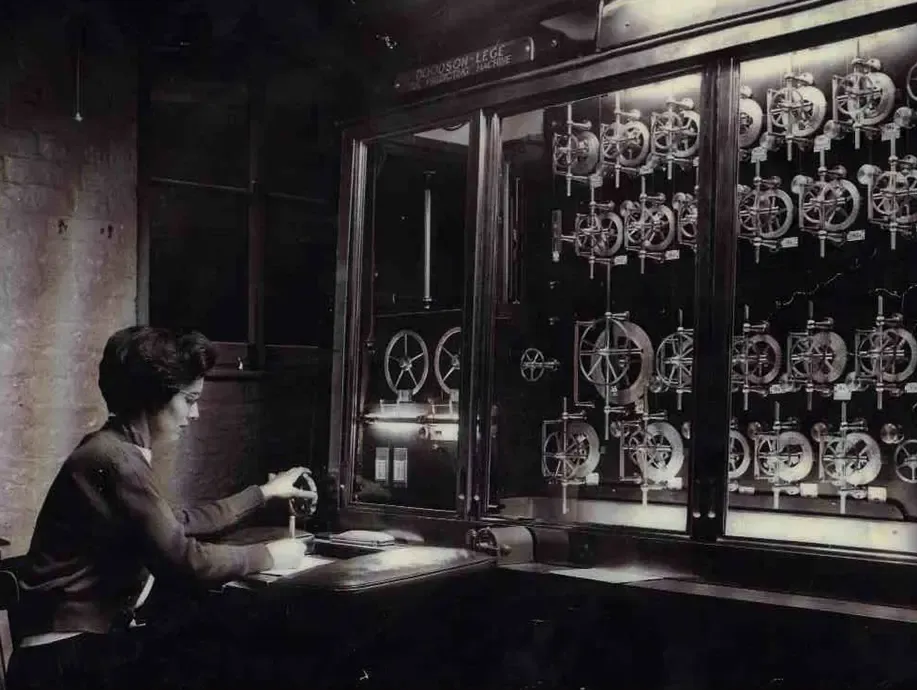
Tide Predicting Machines are intricate analogue computers designed to simulate and forecast the rise and fall of ocean tides. Built between 1872 and 1964, these rare and complex devices use a system of precisely engineered pulleys and gears.
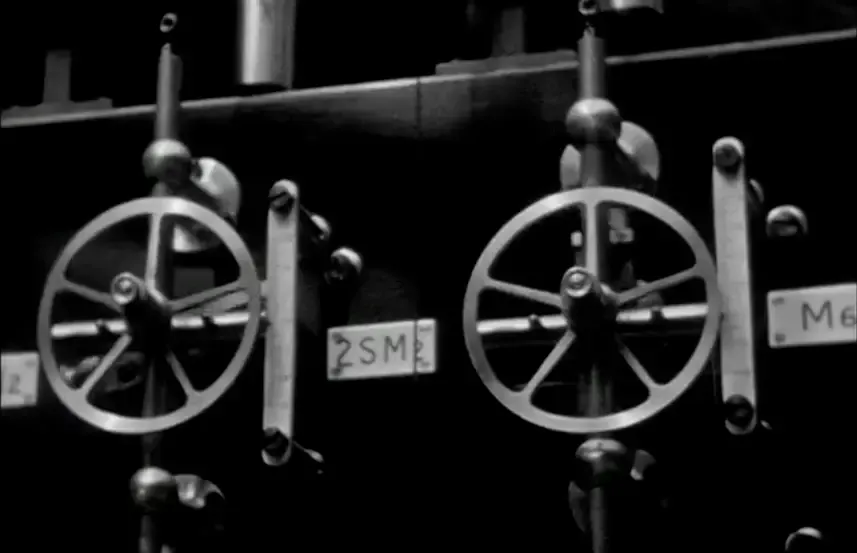
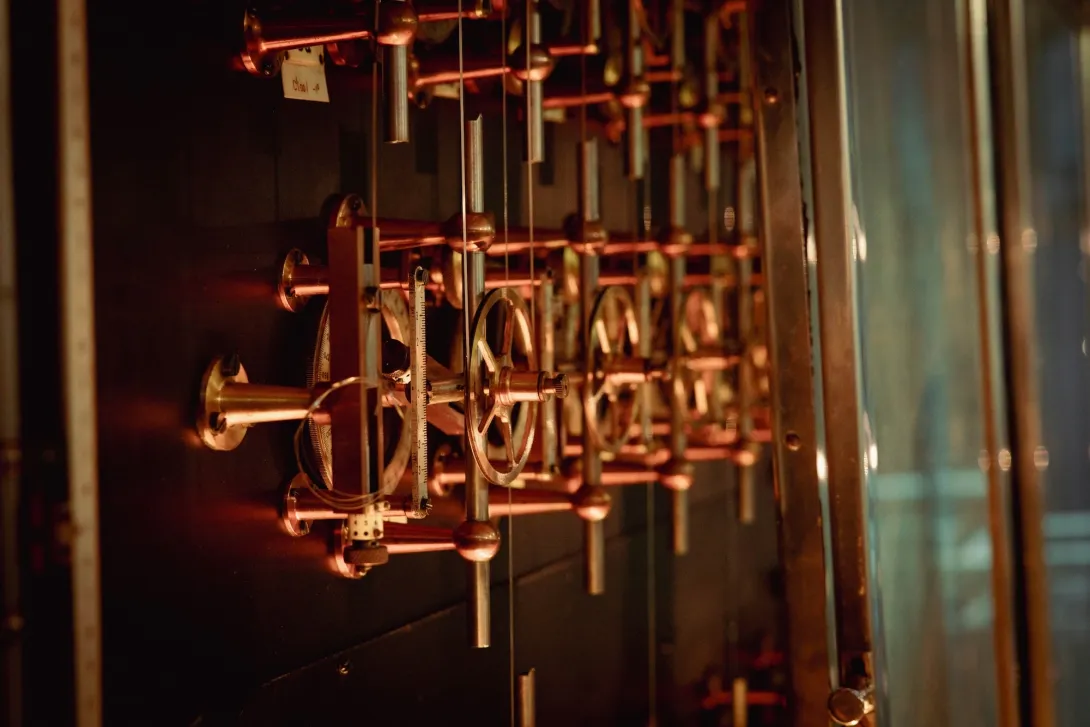
Each pulley represents a different harmonic constant—a component of the tide's motion—and a wire wound over them sums their movements to draw a continuous curve of the total predicted tide for a specific location.Only about thirty of these beautiful brass machines were ever made.
They were rendered obsolete in the 1960s by the arrival of digital computers, which could perform the calculations far more quickly.

What was their strategic role in World War II?
Tidal predictions were of critical strategic importance during World War II.
In 1940, the machines were used to forecast the most likely dates for the German invasion of Britain, known as Operation Sea Lion. The British Admiralty identified periods of high tide near dawn, which would have been most favourable for a seaborne landing, and reinforced coastal defences accordingly.
Later in the war, the machines played a vital offensive role. Accurate tidal predictions for the coast of Normandy were indispensable for planning the D-Day Landings. The invasion's success depended on having the right tidal conditions to allow landing craft to navigate obstacles and disembark troops effectively.
Where can you see these machines today?
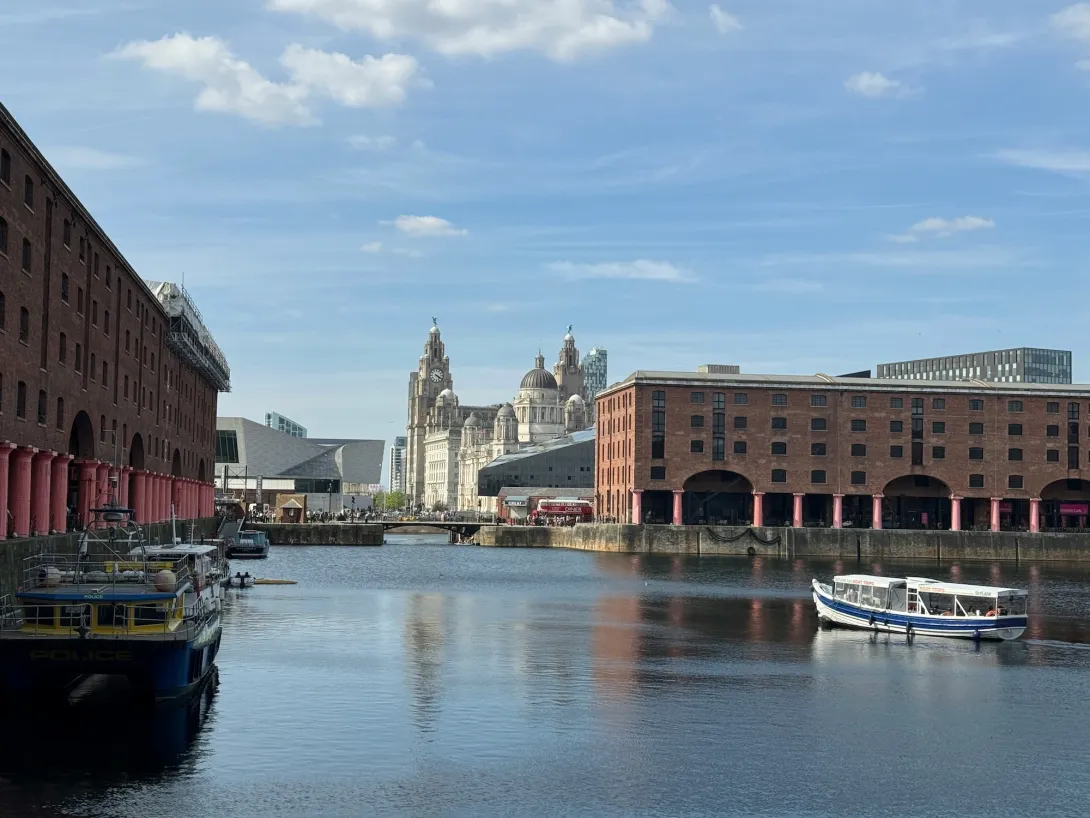
Two magnificent examples—the Doodson-Légé machine and the Roberts-Légé machine are on public display at the National Oceanography Centre in Liverpool. They are the centrepiece of a special exhibition titled "Tide and Time," which explores the crucial role of tidal science in Liverpool's history as a major port.
For more information and to plan your visit, see the exhibition website. The machines are owned by National Museums Liverpool.
Tide & Time Exhibition In Liverpool
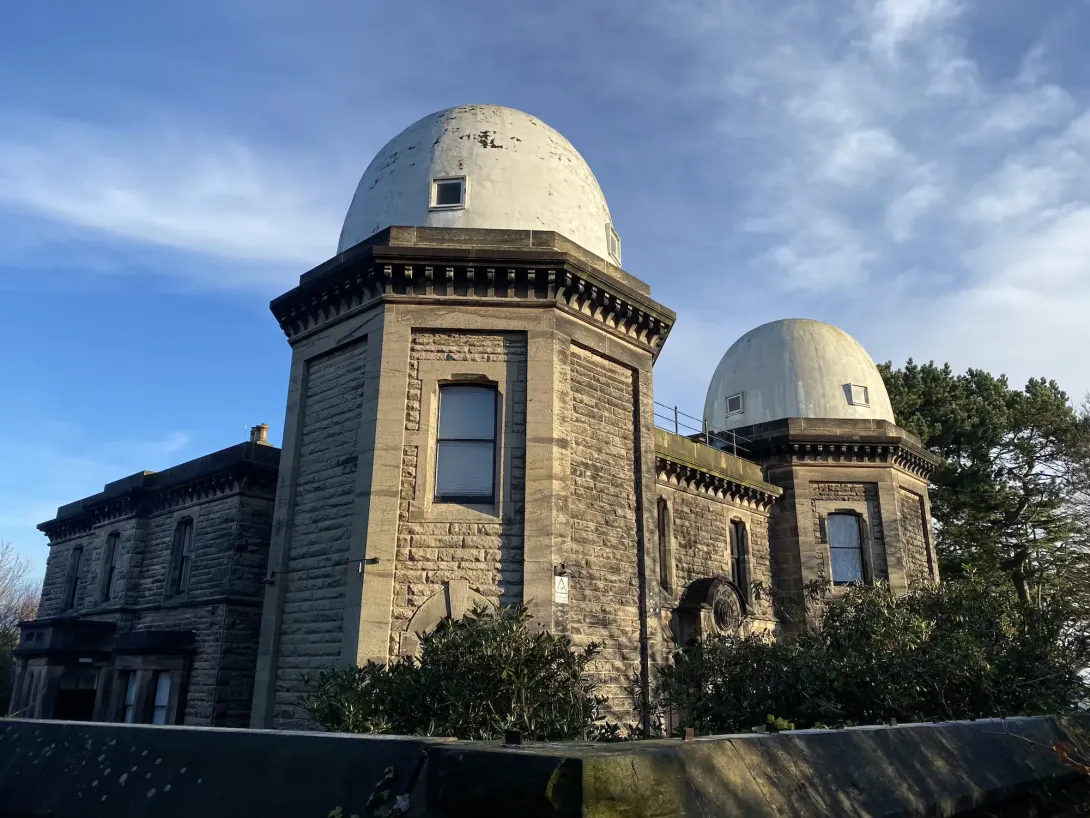
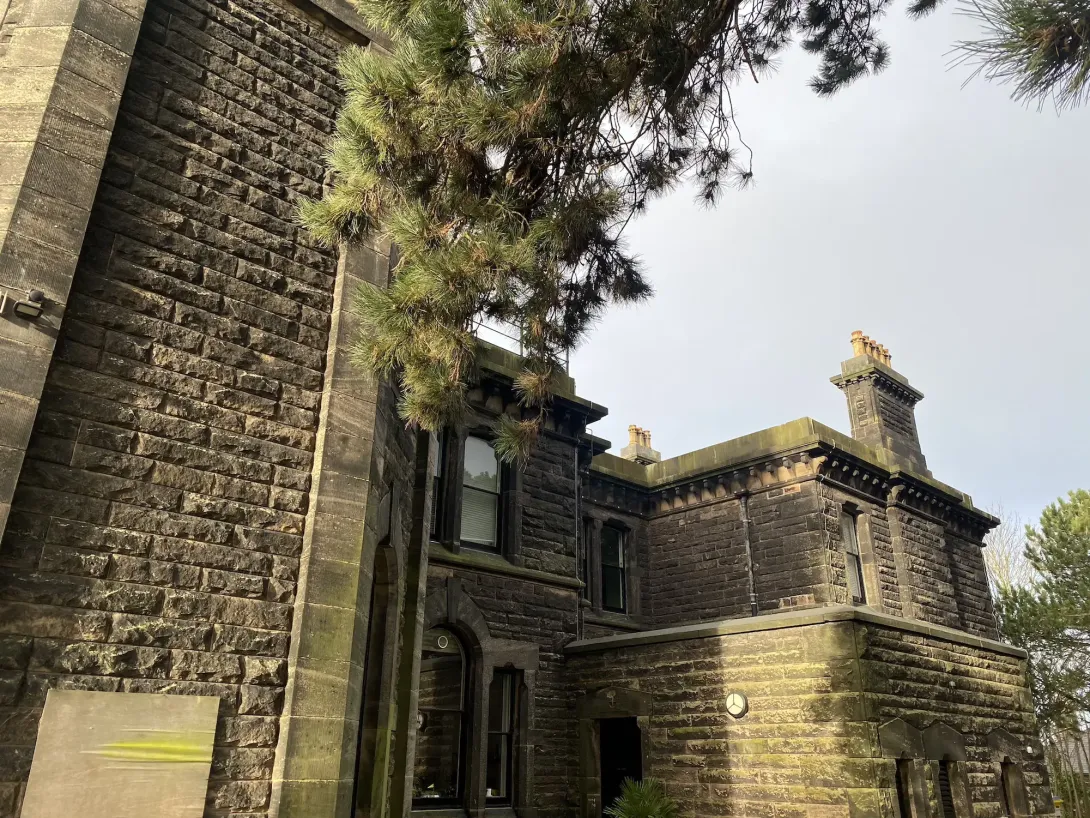
In partnership with National Museums Liverpool and housed at the National Oceanography Centre in Liverpool, the Tide & Time Exhibition tells the story of the history of tidal science in Liverpool. Their website has a range of resources and historical information about Liverpool including Tide Predicting Machines, Bidston Observatory and more.