

What is saltwater intrusion?
Saltwater intrusion happens when seawater pushes inland into rivers, deltas, and estuaries. This process changes the delicate balance between fresh river water and salty seawater. It can threaten drinking water, food production, and the health of vital coastal habitats.
River deltas and estuaries are some of the most fertile and densely populated areas on Earth. They support hundreds of millions of people, major cities, mangrove forests, and vast agricultural systems like rice paddies and aquaculture ponds. However, these low-lying regions are highly vulnerable to climate change, sea-level rise, and changes in river flows.
Why is saltwater intrusion a problem?
Salt water intrusion can threaten food and water security. For example:
1. In the Pearl river, in China, seawater is processed in desalination plants, to provide drinking water for the megacities that surround the delta.
- Desalination is used to prevent water shortage issues.
- It supports power generation, and used in the steel and petrochemical industries.
- Desalination provides freshwater for public water supply.
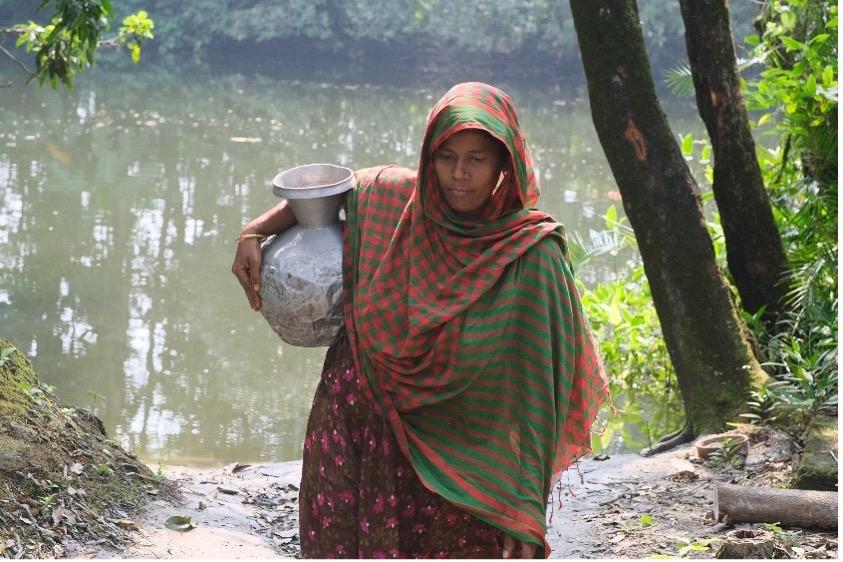
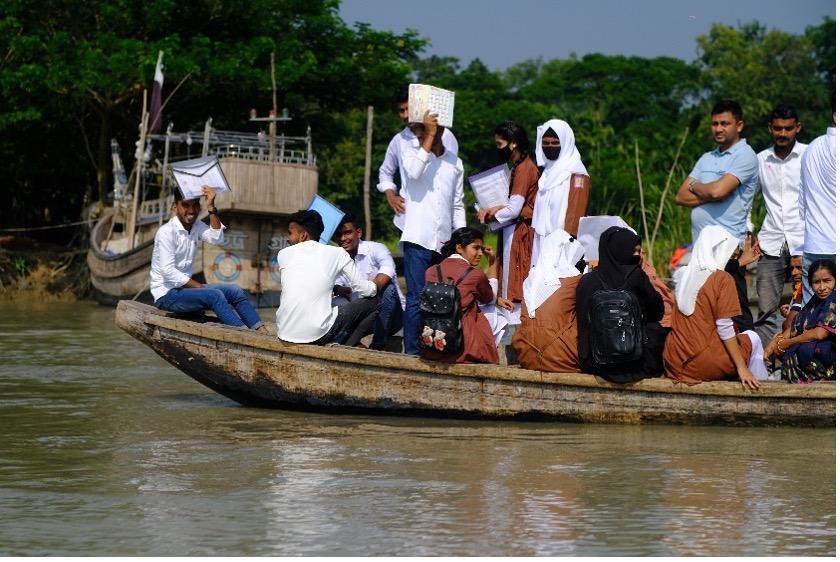
2. In coastal Bangladesh, rice is a key crop, often grown throughout the year and heavily reliant on freshwater irrigation. When seawater moves further inland:
- Crops can fail due to increased soil and water salinity.
- Freshwater supplies for drinking and irrigation decline.
- Coastal habitats such as mangrove forests and salt marshes become stressed or degraded.
- Aquaculture systems may be disrupted, harming local economies.
Saltwater intrusion is not just an environmental threat, it is a socioeconomic challenge, especially for communities already facing poverty and lacking resources to adapt. Rising salinity forces many people to switch livelihoods, migrate to cities, or find alternative water sources.
How does saltwater intrusion affect people and ecosystems?
Salt transforms fertile farmland into marginal land.
Mangroves and coastal wetlands can be damaged by excess salinity, losing their ability to protect coasts from storms and store carbon.
Changes in the mixing of fresh and saltwater shift estuarine habitats, affecting biodiversity and fish stocks.
Farmers may abandon rice for salt-tolerant shrimp farming, which can make land unusable for rice in the future.
Freshwater scarcity pushes communities to rely on brackish wells, increasing health risks like high blood pressure.
As farming becomes harder, rural families may migrate to urban areas, increasing pressure on city infrastructure and services.
SALTWATER INTRUSION THREATS
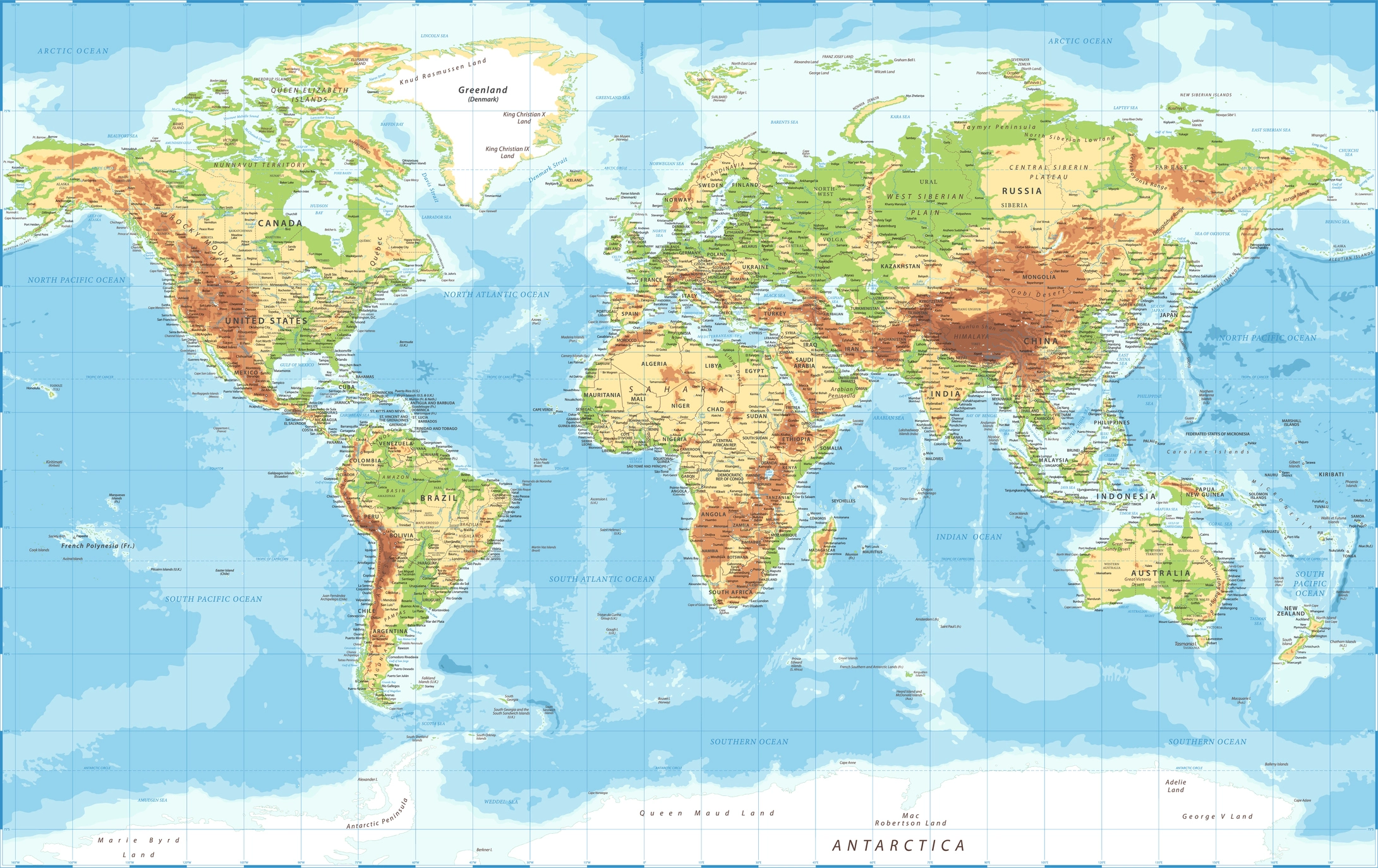
A hub for rice and shrimp farming, highly exposed to floods, cyclones and rising seas.
A major rice bowl of Southeast Asia facing severe seasonal salinity.
Heavily urbanised regions where saltwater intrusion affects millions of people and industrial water supply.
Facing land loss, saltwater intrusion and storm surge impacts.
A hub for rice and shrimp farming, highly exposed to floods, cyclones and rising seas.
A major rice bowl of Southeast Asia facing severe seasonal salinity.
Heavily urbanised regions where saltwater intrusion affects millions of people and industrial water supply.
Facing land loss, saltwater intrusion and storm surge impacts.
How is NOC researching saltwater intrusion?
At the National Oceanography Centre, we combine high-resolution physical models, field observations, and socio-economic research to understand and predict saltwater intrusion. Key research highlights:
In the GBM delta, we created detailed models to simulate how tides, river flows, and sea level changes affect salinity. We integrated this with crop and mangrove models to assess food security and ecosystem health.
Delta-DIEM (Dynamic Integrated Emulator Model) is now used by the General Economic Division in Bangladesh to inform the Bangladesh Delta Plan 2100, helping prioritise sustainable flood protection, clean drinking water and sanitation.
Sharing Our Knowledge
We work with communities, governments and international partners to turn research into real-world solutions. NOC’s work on saltwater intrusion helps protect water security, food supplies, and ecosystems for some of the world’s most at-risk communities.
Explore our ongoing research and partnerships tackling the challenges of climate change in coastal deltas.
Deeper Knowledge: Ocean Science in Action
Ocean Science in Action is a unique collection of open access online educational and capacity development video resources dedicated to the innovative marine technologies and how they are used to tackle the challenges of sustainable management of marine ecosystems.