

Tipping points in the climate system
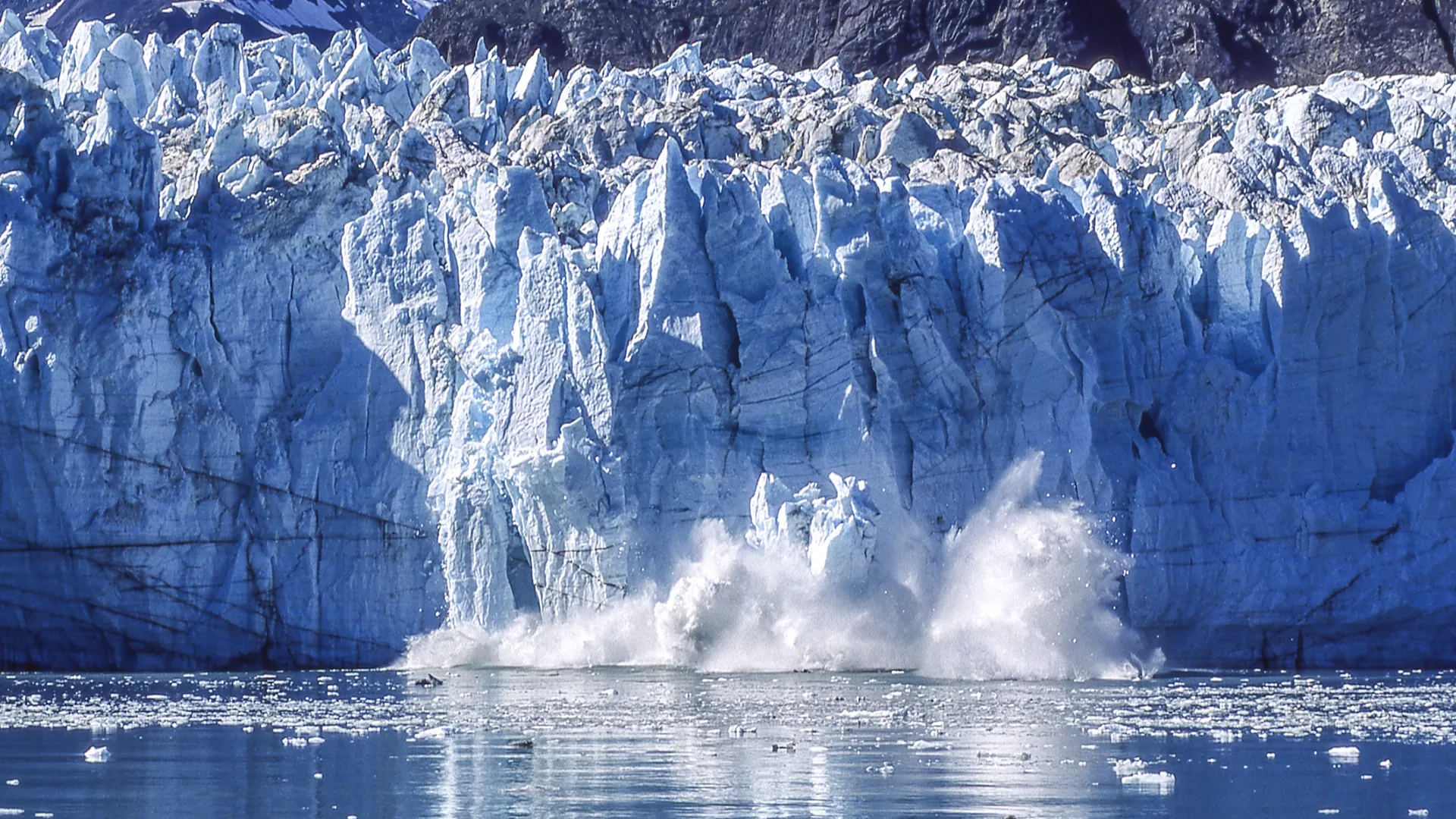
Tipping points in the climate system are critical thresholds. Once we cross them, natural or social systems can change abruptly and often irreversibly.
Ale Sanchez-Franks / Katya Popova / Bablu Sinha
In the ocean, this could mean the collapse of major circulation systems like the Atlantic Meridional Overturning Circulation (AMOC), shifts in the Subpolar Gyre, or widespread, long-lasting coral reef bleaching. Events like these could cause large-scale shifts in planetary systems. They can disrupt the physical and biological foundations of the ocean, altering temperature patterns, nutrient cycling, and the productivity that supports entire marine food webs.
Why is researching tipping points vital?
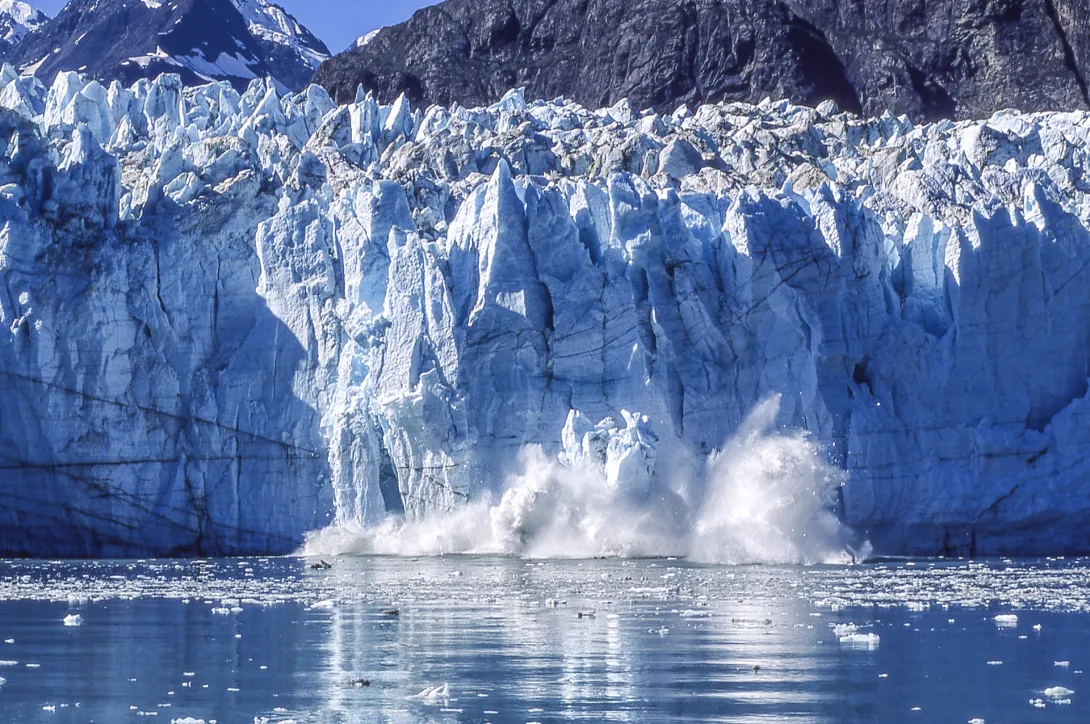
Researching tipping points is vital because their impacts go far beyond the ocean. A slowdown of the AMOC, for instance, would reshape weather patterns across Europe, Africa, and the Americas. At the same time, the loss of ice sheets would accelerate sea-level rise, transforming coastlines worldwide. And coral reef tipping points directly threaten biodiversity and the livelihoods of millions of people.
Which parts of the ocean does this research cover?
This research covers multiple regions of the ocean, from polar ice sheets and high-latitude gyres to tropical coral reefs. It also links directly with other research areas like ocean circulation, ecosystem resilience, climate modelling, and even social sciences. We really need to understand when tipping points might happen, how abrupt they could be, if early warning systems are possible, and what adaptation pathways we have. This is essential for anticipating risks and guiding global responses.